
Safety & Assurance Engineer
Safety is at the heart of aviation. In this role, you don’t fix aircraft – you make sure entire systems are safe, reliable and working as they should. It’s about analysing risks, improving processes and helping prevent problems before they happen.
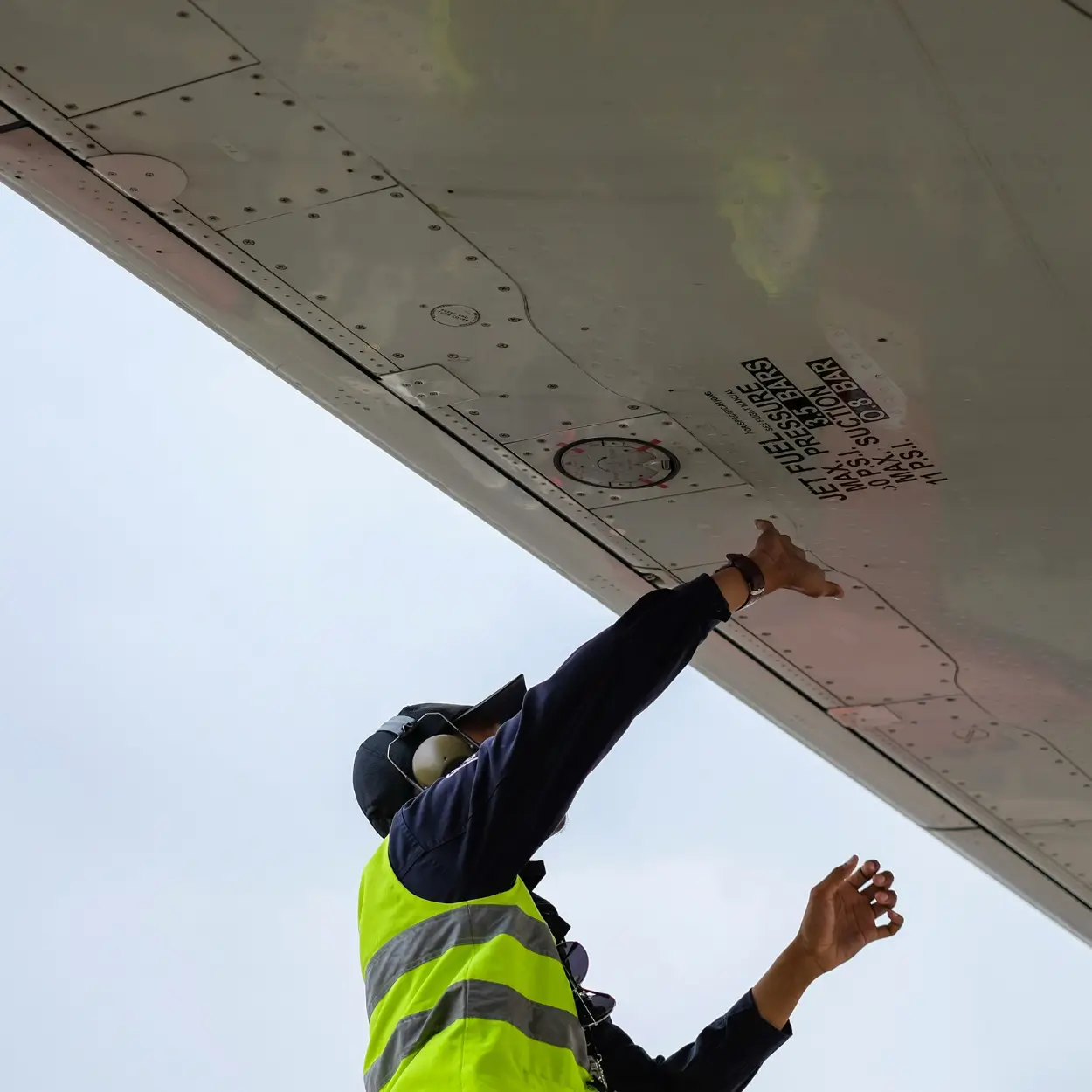
Keeping Aviation Safe – Checking Systems Before They Go Live.


Key Skills needed
-
Safety awarenessunderstanding why safety matters and noticing small things that others might miss.
-
Problem‑solvingfinding solutions that work for different projects and situations.
-
Organisationkeeping on top of documents, deadlines and several projects at once.
-
Listening and communicationhearing what others say, asking questions and speaking up when something doesn’t make sense.
-
Curiositybeing confident enough to ask ‘why?’ and wanting to understand how things work.
-
Teamworkworking with engineers, controllers and specialists across different areas.

Pathways into the career
-
Many people take a degree route, like Amber, who studied aviation technology with management and pilot studies.
-
NATS also offers engineering apprenticeships, which could lead into safety and assurance roles later on.
-
A-Levels aren’t the only way – some people prefer BTECs, apprenticeships or hands‑on training, especially if they don’t enjoy exams.
-
British Airways now offers Speedbird Pilot Academy, a fully funded route that takes people from zero flying hours to an airline pilot licence.
-
What matters most is interest in aviation, understanding safety, and being willing to work hard and keep learning.
Organisations
Interested in this career? Discover opportunities to explore now.

NATS
NATS offers many opportunities for young people, from graduate programmes, to undergraduate placements and apprenticeships.
Go to website