
Aviation Firefighter
When something goes wrong at an airport, aviation firefighters are ready to respond in seconds. They train constantly, work as a tight-knit team and deal with a wide range of emergencies. It’s a role built on responsibility, resilience and purpose.
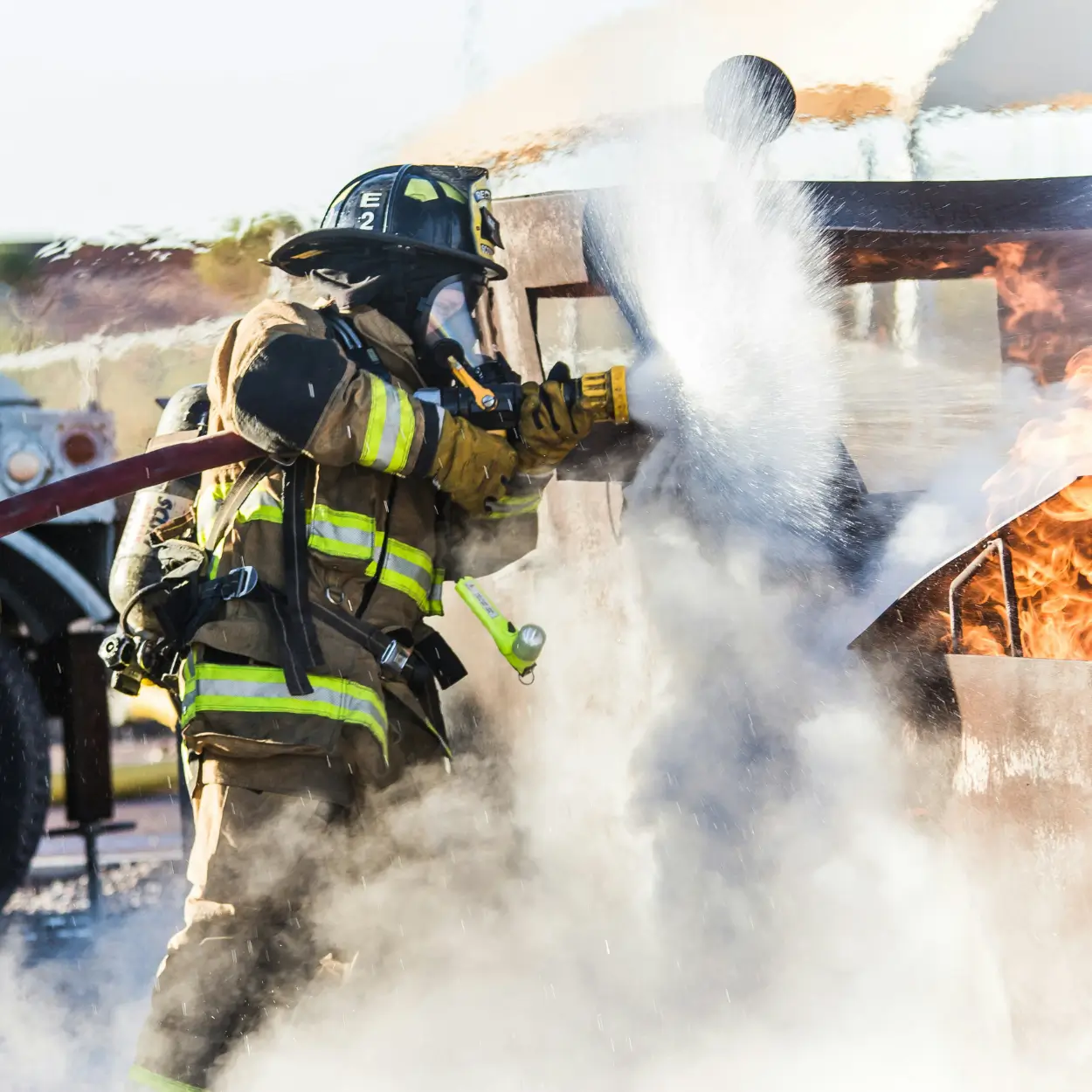
Aviation Firefighting – A Career Built on Purpose, Teamwork and Training for the Unexpected.


Key Skills needed
-
Calm under pressureemergencies change quickly, so you need to think fast and stay level‑headed.
-
Teamworkyou work as part of a tight‑knit crew who rely on each other completely.
-
Quick decision‑makingfires and medical incidents require immediate, instinctive reactions.
-
Physical fitnessthe gear is heavy, the trucks are huge, and training is hands‑on.
-
Love of learningnew equipment, new techniques and constant training are part of the job.
-
Practical, hands‑on mindsetmuch of the role is active, from live-fire drills to vehicle checks.

Pathways into the career
-
GCSEs in Maths, English and Science are really helpful starting points.
-
Apprenticeships at larger airports offer training plus real experience.
-
A-Levels aren’t the only way – some people prefer BTECs, apprenticeships or hands‑on training, especially if they don’t enjoy exams.
-
Entry‑level roles at smaller airports (like Duxford or Southend) can help you earn your aviation firefighter qualification.
-
Aviation training schools offer the five‑week course needed to get your aviation firefighter “ticket.”
-
On‑the‑job development continues for up to three years, including blue‑light driving and advanced fire behaviour training.
Organisations
Interested in this career? Discover opportunities to explore now.

UK Civil Aviation Authority (CAA)
CAA wants to inspire young people to explore careers in STEM, not only running graduate programmes, apprenticeships, internships and (online) work placements, but also offers many insights into careers in the sector.
Go to website