
Drone Instructor
Not all pilots sit in a cockpit. As a drone instructor, you train people to fly aircraft from the ground – helping them build confidence, learn new skills and operate safely in shared airspace. It’s a fast-growing area of aviation that blends technology, teaching and real-world problem-solving.
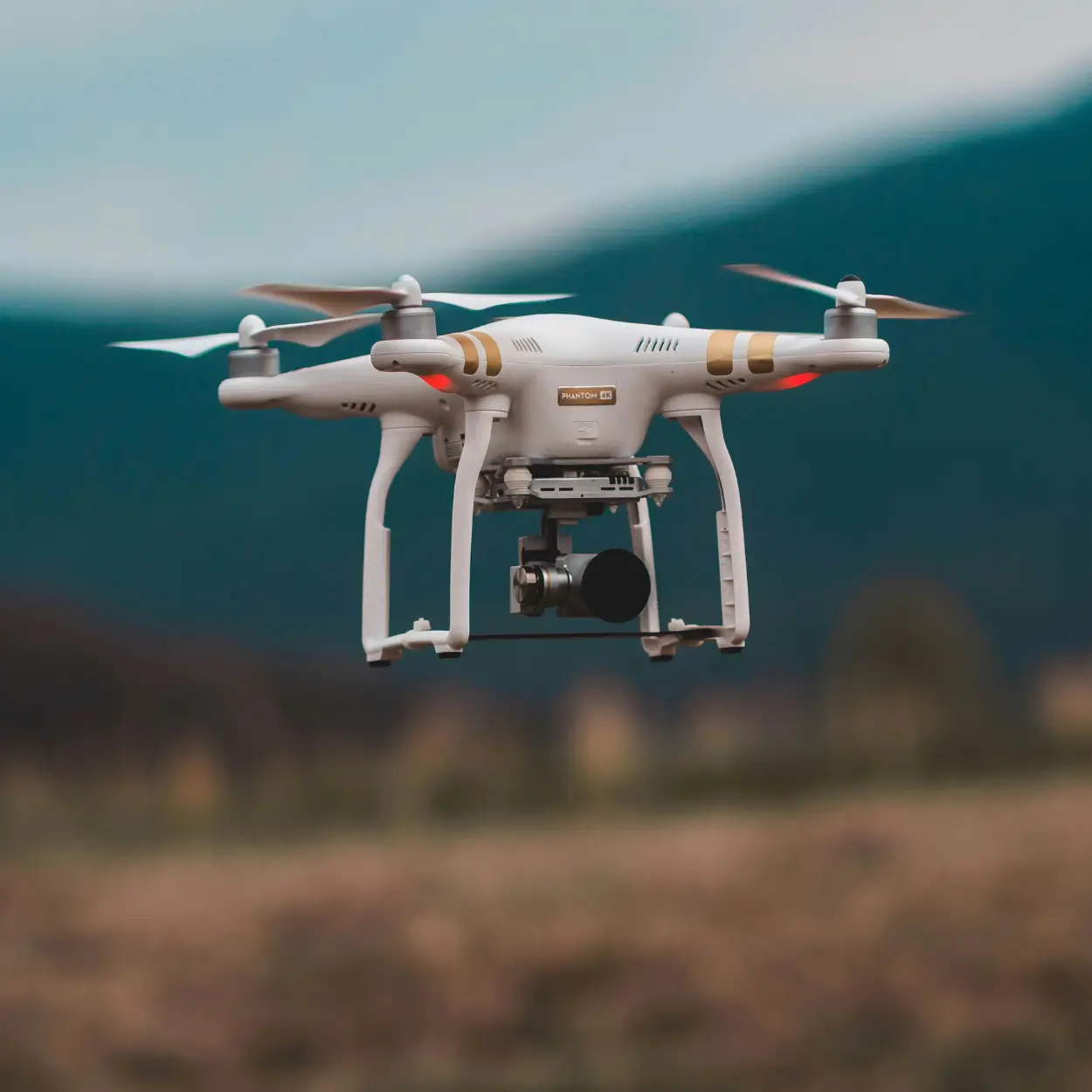
Teaching the Sky From the Ground – Training the Next Generation of Drone Pilots.


Key Skills needed
-
Clear communicationlearners rely on you for confidence and clarity, especially when they’re nervous or overloaded.
-
People skills and approachabilitybuilding trust is essential when you’re teaching someone to fly.
-
Situational awarenessyou must track hazards in the air and on the ground while supporting someone who might not see them.
-
Adaptabilitydifferent clients, sectors and learning styles mean no two days are ever the same.
-
Calm risk managementif something goes wrong, you need to react quickly and keep learners steady.

Pathways into the career
-
GCSEs and A levels – no single subject is mandatory, but maths and physics help because they’re used throughout aviation.
-
Further education routes – some colleges offer aviation‑related study options alongside GCSEs or A levels.
-
Scholarships and introductory courses – including voluntary‑sector programmes offering first‑step drone experience.
-
Apprenticeships – available in aviation and drone‑related fields, providing hands‑on learning.
-
Instructor training – once you’re an experienced pilot, you can complete an instructor course and assessment with an approved provider such as Eagle Eye Innovations.
Organisations
Interested in this career? Discover opportunities to explore now.